How to Return Diesel Cores Without Losing Credit


A core is not scrap metal. It is the rebuildable component that helps keep the price of a remanufactured injector, turbocharger, fuel pump, or actuator within reach. Knowing how to return diesel cores correctly protects your core credit and gives the rebuilder a usable foundation for the next quality remanufactured part.
For a shop, fleet, or owner-operator, the job is simple in principle: send back the old matching part in rebuildable condition. The details matter, though. A wrong core, a disassembled core, or a damaged housing can turn an expected credit into a delay or a reduced refund. Handle the return with the same care you give the installation.
How to Return Diesel Cores the Right Way
Start by confirming that the part you removed is the core tied to the replacement part you bought. This sounds obvious, but it is one of the most common problems in core returns. A Cummins injector is not automatically interchangeable with every Cummins injector, and a turbocharger may look similar while using a different housing, actuator, wheel size, or calibration. Match part numbers, engine application, and any identifying tags before the core leaves your shop.
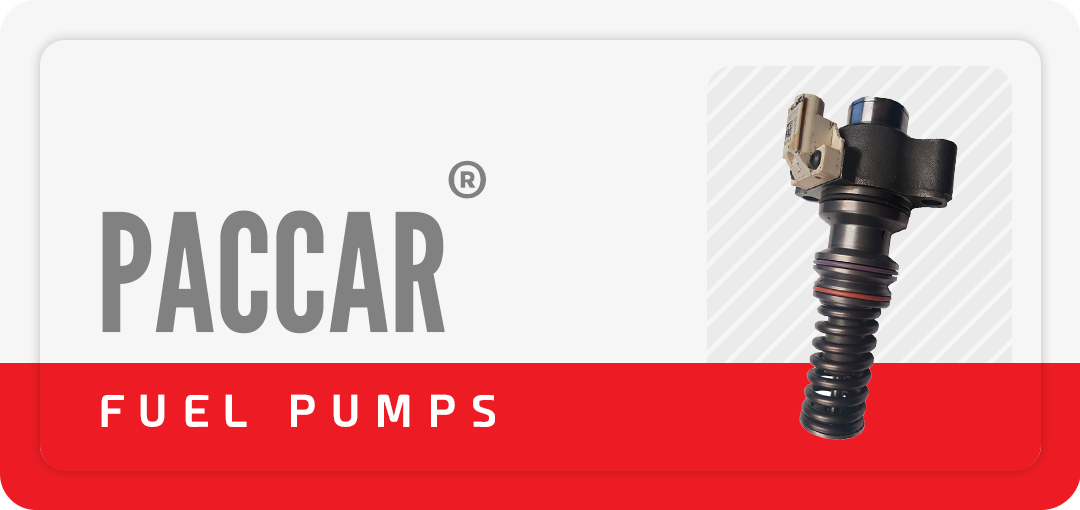
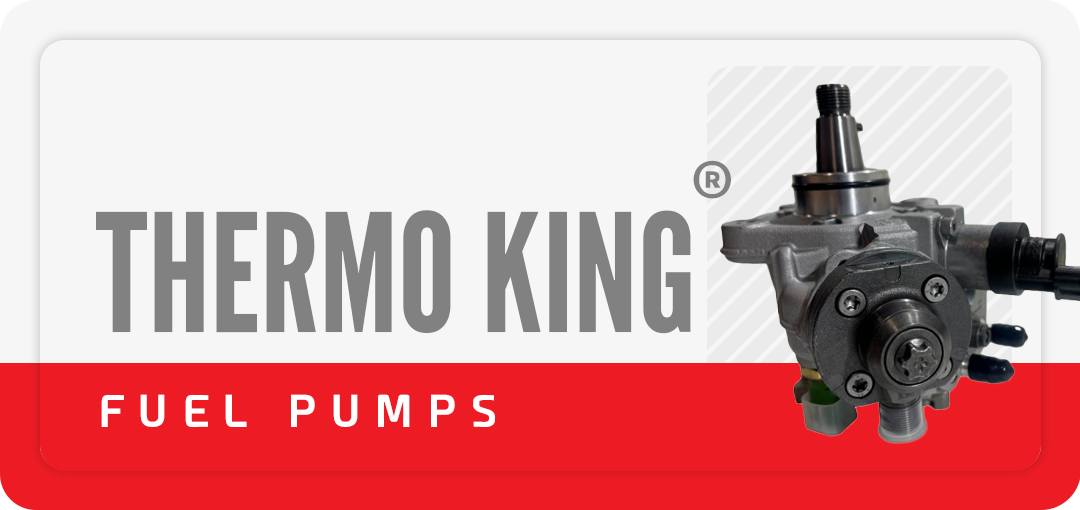
Keep the old unit together. Return injectors with their major external pieces intact, fuel pumps as complete assemblies, and turbos with the actuator and housings that came off the truck whenever applicable. Do not strip parts for fittings, bolts, sensors, solenoids, or brackets unless the supplier’s instructions specifically say those items are not required. Missing components can make a core unusable or lower its rebuild value.
Drain fluids before packaging. Diesel fuel, engine oil, coolant, and DEF residue create a shipping problem and can damage the box, label, and other packages in transit. Let the component drain into an approved container, then cap or cover open ports. Heavy-duty parts do not need to be spotless, but they should be safe to handle and packaged without leaking.
Use the return authorization, shipping label, or instructions provided with the order. A core return needs to be connected to the correct invoice. Include the required paperwork or clearly identify the order number inside the package. If you are returning several cores from a shop or fleet account, label each box so the receiving team can apply each credit correctly.
What Makes a Diesel Core Acceptable?
A rebuildable core is usually the same type of component as the unit purchased, returned in one piece, without severe physical damage. Normal wear is expected. A failed injector, worn turbo bearings, a leaking fuel pump, or an electronic actuator fault are exactly why many cores go back for remanufacturing.
The line is crossed when the part cannot reasonably be rebuilt. That can include a cracked injector body, broken mounting ears, a turbocharger with a shattered center housing, a fuel pump that has been cut apart, or a component damaged by fire, collision impact, or improper disassembly. Rust and age do not always disqualify a core, but corrosion that destroys critical machined surfaces can.
Four conditions commonly affect whether full core credit is available:
- The returned item must match the purchased part number or approved application.
- The core must be complete enough to rebuild, including required housings and electronics.
- It cannot be disassembled, altered, or damaged beyond normal repair.
- It must be returned within the supplier’s stated return window.
There are exceptions. Some units have no core charge, while others have strict requirements because expensive electronics or specific housings are essential to the rebuild. High-pressure common-rail injectors, HEUI injectors, electronic turbo actuators, and high-pressure fuel pumps are especially application-sensitive. When in doubt, verify the core requirement before sending anything.
Pack Heavy Diesel Parts for the Trip Back
Poor packaging is an expensive mistake. An injector may survive loose packing, but a turbocharger or fuel pump can punch through a light box before it reaches the carrier terminal. If the returned core is damaged in shipping because it was not secured, the condition at arrival may not support full credit.
Use a strong box sized for the component, with enough room for dense packing material on every side. For heavier items, a double-wall box is the minimum starting point. Large turbos, air compressors, and fuel pumps may need a reinforced carton, molded packaging, or a pallet depending on weight and carrier requirements.
Protect sensitive areas first. Cover injector tips and electrical connectors. Keep turbo oil ports clean and prevent the actuator from taking direct impacts. Secure a fuel pump so its drive gear, fittings, and mounting flange cannot move against the box. Then fill voids with packing material until the component cannot shift when the box is lifted or tilted.
Do not rely on a plastic bag and a few loose pieces of paper. A bag is useful for containing residual fluid, but it does not immobilize a 40-pound pump. Tape all box seams thoroughly, attach the approved label flat to the largest surface, and remove or cover old shipping labels if you are reusing a carton.
Avoid the Core Return Mistakes That Cost Money
The biggest mistake is waiting too long. Once the repair is complete, technicians understandably move to the next truck. The old part gets placed on a shelf, the shipping label disappears, and the return deadline gets closer. Set the core aside when the replacement is installed, document the order number, and ship it as soon as practical.
Another issue is returning a substitute part. A shop may have several old injectors or turbos in inventory and send whatever appears closest. That creates an inspection problem and can leave the original core charge open. Keep removed parts matched to the repair order until the return is processed.
Shipping contamination is also avoidable. Fuel-system components can hold diesel, oil, or debris from a failed system. If a pump or injector failed because of metal contamination, do not send loose contaminated fittings, shop rags, or open ports in the package. Seal the component, protect the box, and follow any special handling instructions provided for the return.
Finally, do not assume every old part has the same value. Core credit is tied to the component, its condition, and the supplier’s core policy. A complete OEM core may qualify for normal credit, while an aftermarket substitute, incorrect trim code injector, or previously rebuilt unit from another application may not. Clear photos and a quick call before shipping can prevent a bad return from becoming a billing dispute.
Why Core Returns Matter Beyond the Credit
Returning cores supports the remanufacturing cycle that keeps proven diesel components in service. A qualified rebuilder can inspect housings, measure wear points, replace failed internals, test performance, and program components when required. That process is especially valuable on modern diesel systems, where injector balance, fuel delivery, boost control, and electronic actuator operation directly affect drivability, emissions performance, and uptime.
For fleets and repair businesses, the math goes beyond one credit. Consistent core handling makes estimates cleaner, parts margins more predictable, and warranty conversations easier. It also reduces clutter in the shop. Old components that sit under a bench have no value until they are identified, packaged, and returned.
American Diesel Parts supports the rebuild cycle with return logistics designed for working shops and truck owners, but the same rule applies anywhere: verify the core, keep it complete, package it correctly, and return it promptly.
Before You Hand It to the Carrier
Take a final minute to check the part number, confirm the order information is in the box, look for leaks, and make sure the core cannot move inside the package. Keep the carrier receipt and tracking information until the credit is posted. That small amount of discipline can save a shop from chasing paperwork later.
A properly returned core is one more repair handled the professional way: the truck is back on the road, the old component is headed to rebuild, and your core credit stays where it belongs.